Halloween lollies and kids: how to take the stress out of sweets
First Published: Oct 2018 l Last revised: Oct 2026
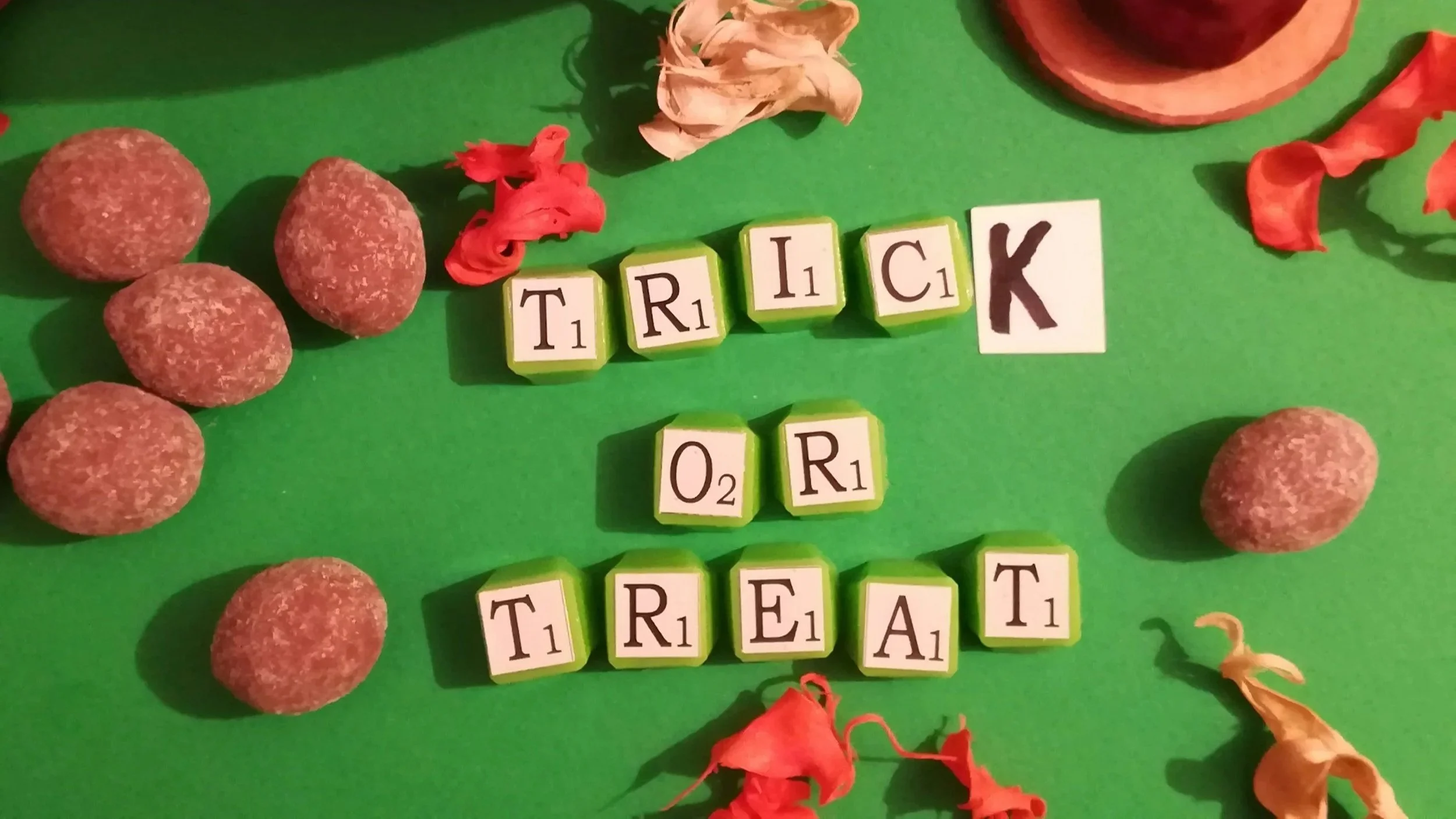
Happy Halloween!🎃👻🍭
It’s October, and Halloween is just around the corner! If sending your children out trick-or-treating and dealing with copious amounts of lollies/candy fills you with dread, here are some tips to help reduce Halloween stress.
How much Halloween candy should children eat? Should you limit their lollies, let them enjoy their collection, or put it away?
A helpful starting point is to combine predictable eating opportunities with trust, while keeping guilt and body commentary out of the conversation. Here’s how to approach Halloween sweets using Ellyn Satter’s Division of Responsibility and weight-neutral care.
All foods can have a place—including Halloween treats
Food provides nourishment, enjoyment, connection and opportunities to celebrate. Lollies don’t need to offer the same nutrients as dinner to have a place in your child’s eating.
At ABC Nutrition, we support a weight-neutral approach: caring for health, wellbeing and a positive relationship with food, without making body size the goal.
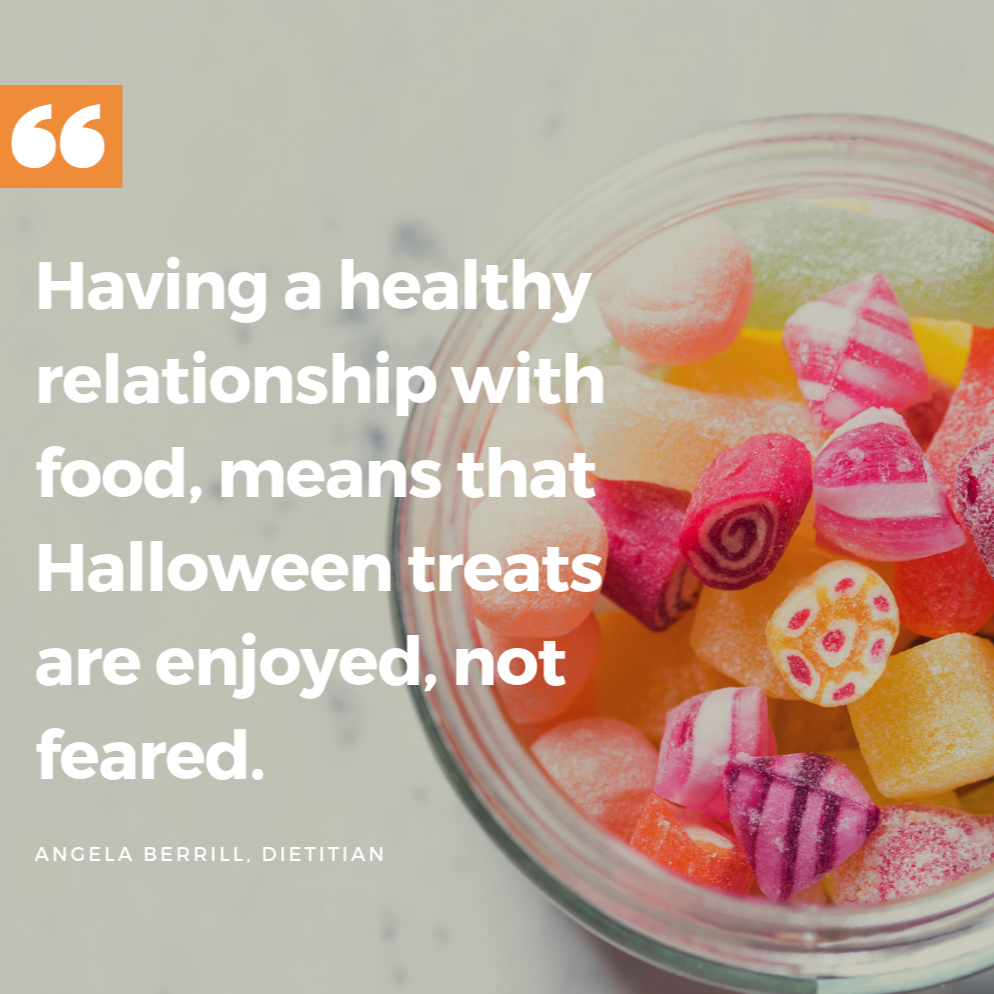
That means children of all sizes deserve access to enjoyable foods, enough to eat and freedom from shame. Halloween treats don’t need to be earned through exercise, eating vegetables or being “good”.
Foods have different nutritional qualities, but eating them doesn’t make anyone ‘good’ or ‘bad’.
What is the Division of Responsibility in feeding?
Ellyn Satter’s Division of Responsibility gives parents and children different roles:
Parents and caregivers decide what food is offered, when and where.
Children decide whether to eat and how much to eat from what is available.
Adults provide dependable meals and snacks; children have room to make decisions about eating. The approach should develop with your child’s age, abilities and growing independence.
Before trick-or-treating: offer a familiar meal or snack
Offer food before heading out, particularly if trick-or-treating overlaps with your usual dinner time. Familiar options might include sandwiches, pasta, yoghurt and fruit, or leftovers.
The aim is to give children an opportunity to eat before a busy evening. There’s no need to “fill them up” to prevent them eating sweets, or require them to finish dinner first.
Halloween-themed food can be fun if your family enjoys it—but an ordinary meal is absolutely fine!
On Halloween night: make room for the fun
Sorting, swapping and enjoying lollies can be a big part of Halloween.
Satter’s Halloween guidance makes room for children to explore their collection and eat as much as they want on the night, and again the following day, before returning to the usual meal and snack routine.
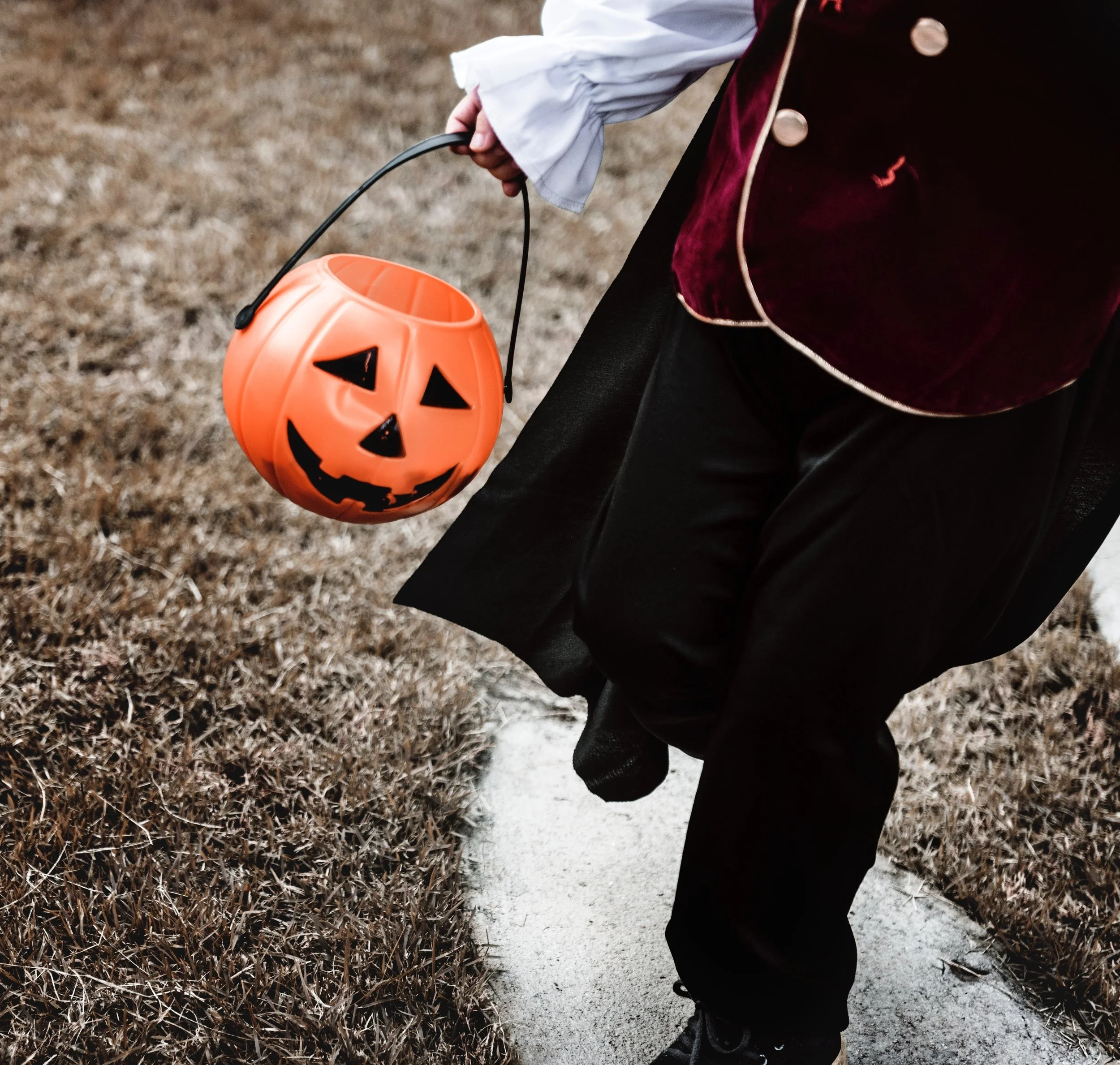
Check that treats are suitable for your child’s age, allergies and other safety needs. Then give them space to enjoy eating without counting wrappers or commenting on how much they have had.
You can make other familiar foods available too, without requiring children to eat them before their sweets.
After Halloween: include lollies in meals and snacks
Once the celebrations settle down, return to predictable eating opportunities and explain when Halloween sweets will be available.
Within Satter’s approach, this can include:
At meals: offering a portion of sweets alongside the meal, with no requirement to eat other foods first.
At some snack times: offering sweets with another food or drink, with enough available for children to choose how much they eat.
For example, you might offer some Halloween chocolate with lunch, or put out lollies alongside yoghurt at an afternoon snack.
Explain the plan calmly: “We’ll have another chance to enjoy your Halloween lollies at afternoon tea.”
Keep opportunities dependable, rather than making sweets conditional on behaviour or what your child ate earlier.
Keep food and body talk neutral
Children don’t need warnings about Halloween treats changing their weight, or reminders to “burn off” what they have eaten.
Try straightforward, descriptive language:
“Which flavours do you like?”
“You can eat the foods on your plate in whichever order you choose.”
“You don’t have to finish it.”
“We’ll have lunch at our usual time tomorrow.”
Avoid praising children for eating very little, or describing a larger amount as greedy or naughty.
If your child feels uncomfortably full, respond with kindness. “That sounds uncomfortable. What would help you feel more comfortable?” is more supportive than “I told you so.”
There’s no need to compensate by restricting food the next day.
What if my child struggles to recognise hunger or fullness?
“Just listen to your body” isn’t always useful advice. Some children find body signals difficult to notice or interpret, particularly when they are excited, distracted or overwhelmed.
Predictable food opportunities, familiar options and a comfortable eating environment can offer support without making body awareness another task to get right.
For neurodivergent children, children with feeding difficulties or those following a medical nutrition plan, advice may need adapting. Flexible, individual support matters more than following a framework perfectly.
Enjoy Halloween without making food the main event
Costumes, decorations, friends and neighbourhood adventures are all part of Halloween too.
You don’t need to manage every mouthful or turn the evening into a nutrition lesson. Offer food regularly, make room for enjoyment and keep the conversation kind.
A positive relationship with food includes nourishment, pleasure and trust—at Halloween and throughout the year.
Looking for support with family food and feeding?
Our dietitians provide compassionate, weight-neutral nutrition care. If you’d like help navigating food worries or family mealtimes, meet the ABC Nutrition team to find a dietitian whose expertise suits your needs.
Further reading: Ellyn Satter’s guidance on Halloween candy.