
Neurodivergent Nutrition Support for ADHD, Autistic & AuDHD individuals
Practical, neurodiversity-affirming nutrition support for feeding challenges, sensory differences, selective eating and ARFID.
Neurodivergent feeding, sensory challenges & ARFID nutrition support specialists
Helping make food, eating and nutrition feel less stressful and more manageable.
Feeding challenges can look very different for neurodivergent children, teens and adults — and traditional nutrition advice often misses the mark.
For ADHD, autistic or AuDHD individuals, those with sensory sensitivities, anxiety, PDA profiles, executive functioning challenges, or highly selective eating patterns, mealtimes can become exhausting and overwhelming.
This is not about “just being picky”.
Food preferences and eating patterns may be influenced by sensory sensitivities, predictability, anxiety, interoception differences, routine dependence, oral-motor challenges, nervous system overwhelm, or difficulties with planning, initiating, and managing everyday eating tasks.
At ABC Nutrition, we provide compassionate, neuro-affirming nutrition support that respects your individual needs while helping reduce stress around food for the whole family.
Our approach is never about forcing food, using pressure-based feeding strategies, or pushing unrealistic expectations.
Instead, we focus on practical, sustainable strategies that support nutrition while respecting sensory needs, autonomy, and nervous system capacity.
No guilt. No pressure. No rigid food rules.
How We Help
Every neurodivergent individual is different - and nutrition advice should reflect that.
Our dietitians support children, adolescents and adults with a wide range of nutrition and eating challenges, including:
✔ Selective Eating
Limited food variety & safe foods
✔ ARFID
Avoidant Restrictive Food Intake Disorder
✔ Sensory Challenges & Food aversions
Textures, smells & temperatures
✔ ADHD & Eating Challenges
Skipping meals, appetite changes & routine
✔ Executive Functioning
Meal planning, grocery shopping and food preparation
✔ Body Awareness
Recognising hunger and fullness
✔ Nutritional Adequacy
Nutrient deficiencies and dietary adequacy
✔ Family Mealtime Stress
Reducing stress and conflict
Support is tailored to each individual's goals, preferences and lived experience. There is no one-size-fits-all approach.
Meet Your Neurodiversity-Affirming Dietitians
-
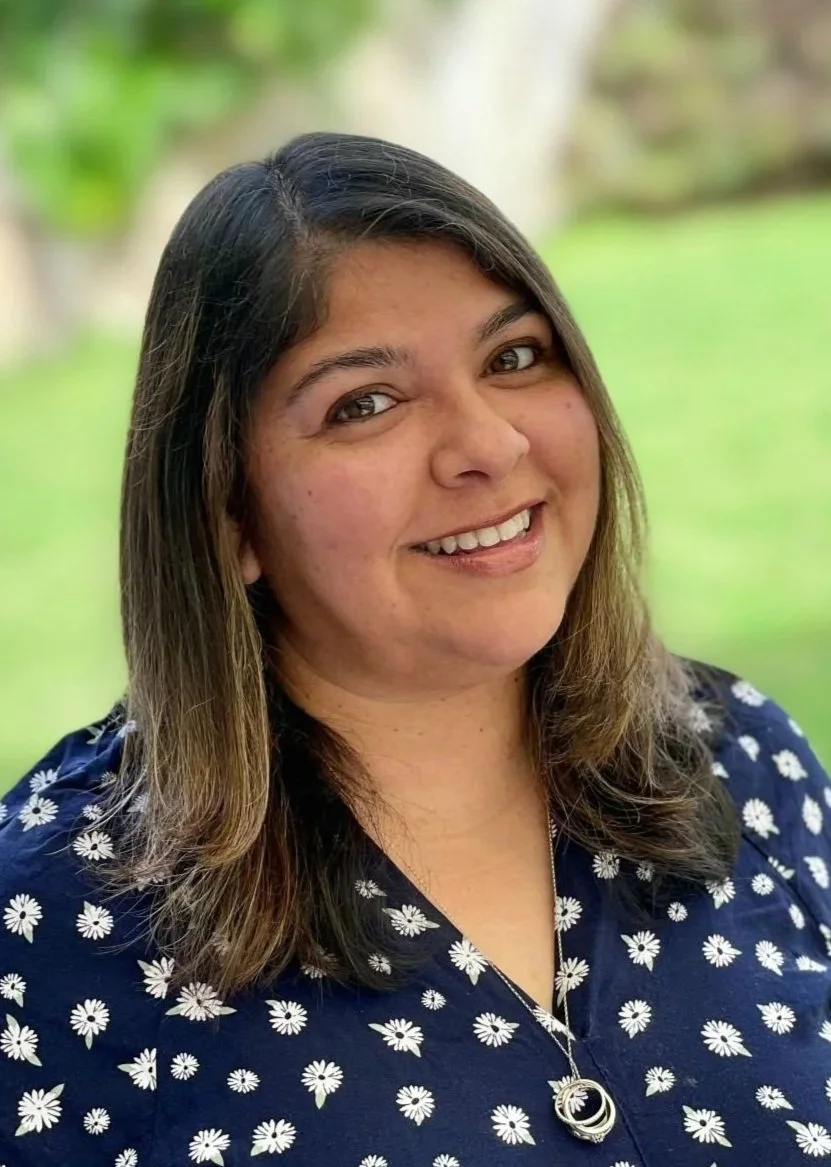
Sarika Coetzee
DIETITIAN
Works with:
* Children, teens and adults
* ADHD, Autistic, AuDHD and/or PDA individuals
* Sensory processing differences
* Developmental Coordination Disorder eg dyspraxia
* Tourettes syndrome and chronic tic disorders
* Intellectual disabilities
* Learning disabilities / Learning disorders eg dyslexia
Specialising in :
* Selective Eating - limited variety, safe foods, food jags
* ARFID
* Sensory Challenges & Food Aversions - textures, smells, temperature, taste etc
* ADHD & eating challenges - skipping meals, appetite changes & eating routines
* Executive Functioning - Neuro-affirming meal planning and food preparation support, decision fatigue
* Body Awareness - recognising hunger and fullness
* Nutritional Adequacy - nutrient deficiencies, growth, energy levels
* Family mealtime stress - reducing stress and conflict & sensory overwhelm
* GI symptoms
Available via:
* Papakura clinic (Thursdays, by appointment)
* Online / Telehealth (NZ wide)
-

Ada Cheung
DIETITIAN
Works with:
* Children, teens and/ or adults
* Autistic, ADHD, AuDHD and/or PDA profile individuals
* Individuals with intellectual disabilities or
* Learning disabilities / Learning disorders eg dyslexia
Specialising in :
* Selective Eating - limited variety, safe foods, food jags
* ADHD & eating challenges - skipping meals, appetite changes & eating routines
* Executive Functioning - Neuro-affirming meal planning and food preparation support, decision fatigue
* Body Awareness - recognising hunger and fullness
* Nutritional Adequacy - nutrient deficiencies, growth, energy levels
* Family mealtime stress - reducing stress and conflict & sensory overwhelm
Available via:
* Milford clinic, Auckland (by appointment)
* Online (NZ wide)
-
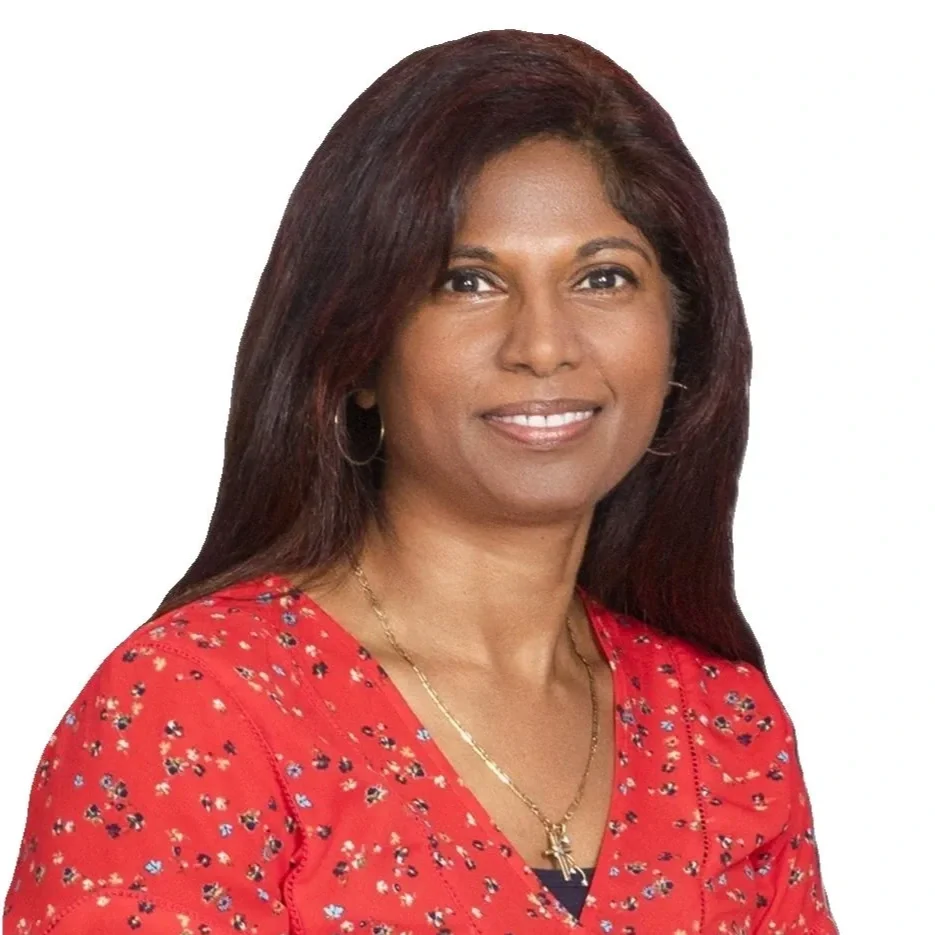
Sasha Stevenson
DIETITIAN
Works with:
* Adults
* Autistic, ADHD and AuDHD individuals
* Sensory processing differences
Specialising in :
* Selective Eating - limited variety, safe foods, food jags
* Sensory Challenges & Food Aversions - textures, smells, temperature, taste etc
* ADHD & eating challenges - skipping meals, appetite changes & eating routines
* Executive Functioning - Neuro-affirming meal planning and food preparation support, decision fatigue
* Body Awareness - recognising hunger and fullness
* Nutritional Adequacy - nutrient deficiencies, growth, energy levels
* Family mealtime stress - reducing stress and conflict & sensory overwhelm
* GI symptoms - constipation, bloating, gas, IBS
Available via:
* Albany, Auckland clinic (by appointment)
* Online (NZ wide)
ARFID Nutrition Support - Auckland & Online NZ-wide
ARFID (Avoidant/Restrictive Food Intake Disorder) is more than fussy eating.
It is a complex feeding and eating disorder that can significantly impact nutritional intake, growth, physical health, social participation, and family wellbeing.
ABC Nutrition provides nutrition support for children, adolescents and adults with suspected or diagnosed ARFID as part of a collaborative, multidisciplinary approach.
Because ARFID is complex, effective support often involves working alongside other health professionals, including GPs, paediatricians, psychologists, occupational therapists, speech-language therapists, and other members of your care team.
Our role is to support nutritional adequacy, monitor nutritional risk, reduce food-related stress, identify practical nutrition strategies, and work collaboratively within the broader treatment plan.
We recognise that feeding challenges are rarely just about food. Our goal is to provide compassionate, individualised support that helps make eating feel safer, more manageable, and less overwhelming for both individuals and families.

Is This Support Right for You?
You or your child may benefit from support if you are experiencing:
✔ Highly selective eating or a limited range of accepted foods
✔ ARFID (Avoidant Restrictive Food Intake Disorder)
✔ Sensory aversions to certain foods, textures, smells, tastes or temperatures
✔ Difficulty recognising hunger, fullness or body cues
✔ Skipping meals or forgetting to eat regularly
✔ Challenges with meal planning, grocery shopping or food preparation
✔ Reliance on a small number of "safe foods"
✔ Anxiety around unfamiliar foods or eating situations
✔ Concerns about nutrient deficiencies or dietary adequacy
✔ Mealtime stress, conflict or overwhelm
These challenges can affect nutrition, energy levels, growth, wellbeing and quality of life. With the right support, eating can become less stressful, more manageable and better aligned with individual needs and goals.

How We Work
We believe nutrition support should work with your brain, not against it.
Our neurodiversity-affirming approach focuses on understanding your strengths, preferences, sensory needs and everyday realities. Rather than expecting people to fit into rigid food rules or unrealistic meal plans, we work together to identify practical strategies that feel achievable and meaningful.
Our goal is to reduce stress around food, support nutritional wellbeing and help individuals build confidence in ways that respect your autonomy and unique needs.
How It Works
1. Book your appointment
We'll connect you with a suitable dietitian for an online or in-person appointment. We will also send you an online questionnaire to complete ahead of time.
2. Meet with your dietitian
Your dietitian will listen, understand your concerns and focus on matters to you.
3. Get your personalised action plan
Walk away with practical, achievable steps and tools that fit your lifestyle.
4. Ongoing support
Regular appointments help to further fine-tune your goals and action plan, to ensure lasting results.
For more information about our service and how we can work together, head over to our nutrition consultation page.

Registered Dietitians
NZ Dietitians Board Approved
Working with NZers since 2008

FAQs
Find answers to your frequently asked questions about working with a neurodiversity-affirming dietitian.
-
Yes. We recognise that neurodivergent brains experience food, eating and mealtimes differently. Our approach is collaborative, compassionate and evidence-based, focusing on practical strategies that support nutritional wellbeing while respecting sensory needs, autonomy and individual preferences. We don't expect people to fit into a one-size-fits-all approach to eating.
-
No. We welcome children, teens and adults who identify as neurodivergent, are exploring a diagnosis, or simply experience eating and nutrition challenges often related to ADHD, autism, AuDHD, PDA profiles or sensory differences.
-
Yes. We understand that sensory preferences, routine needs, anxiety, and feeding differences can significantly affect eating.
We support children, teens and adults experiencing feeding challenges associated with, ADHD, AuDHD, sensory processing differences, anxiety, executive functioning difficulties, ARFID and being autistic.
For ARFID, nutrition support is typically most effective as part of a multidisciplinary approach, working alongside other healthcare professionals involved in your child’s care.
Our approach is compassionate, practical, neuro-affirming, and tailored to your child’s and whanau’s needs.
We support children, teens, and adults with:
Highly selective or restrictive eating
Sensory-based food aversions
ARFID (Avoidant/Restrictive Food Intake Disorder) nutrition support
Executive functioning challenges affecting meal routines and regular eating
Difficulty recognising hunger and fullness cues (interoception)
Anxiety around food or trying new foods
Safe food dependency
Meal skipping or inconsistent eating patterns
Appetite suppression related to ADHD medication
Building independence with food for neurodivergent teens
Family mealtime stress, conflict, or overwhelm
-
Absolutely. We support people experiencing challenges such as forgetting to eat, appetite changes, meal planning, food preparation, executive functioning difficulties and maintaining regular eating routines.
-
Yes. Our dietitians provide nutrition support for autistic children, adolescents and adults, including those with AuDHD or PDA (Pervasive Drive for Autonomy) profiles. We understand how sensory processing differences, interoception challenges and demand-related distress can affect eating, mealtimes and nutrition. We offer neurodiversity-affirming, practical support tailored to each individual's needs, goals and preferences.
-
Avoidant/Restrictive Food Intake Disorder (ARFID) is an eating and feeding disorder characterised by persistent food avoidance or restriction that can affect nutritional intake, growth, physical health or everyday life. It is not simply "fussy eating".
Our dietitians provide nutrition support as part of a collaborative care team where appropriate.
-
Yes. Selective eating can affect nutritional intake, energy levels and quality of life. We work with individuals and families to understand the factors contributing to selective eating and develop practical, achievable strategies that support nutrition while respecting sensory preferences and autonomy.
-
No. Our approach is neurodiversity-affirming and collaborative. We don't use pressure, shame or rigid food rules. Instead, we work with your strengths, preferences and goals to support nutrition in ways that feel manageable.
-
No referral is needed to book a family or child nutrition consultation.
Just head over to our bookings page to book your appointment.
If your GP, Paediatrician, or other healthcare professional would like to send us one, they can reach us at clinic@abcnutrition.co.nz
-
Your first appointment focuses on getting to know you. We'll discuss your eating patterns, sensory preferences, challenges, goals, medical history and lifestyle before working together to develop practical nutrition strategies that feel realistic and achievable.
-
Yes. All our dietitians, including those specialising in family & child nutrition, offer secure online video and phone consultations.
You can work with us from anywhere in New Zealand.
We can also see clients in person at our Auckland Albany, Milford and Papakura clinics.
-
This varies widely from person to person, depending on your child’s and family’s goals, lifestyle and medical needs.
Many clients will find:
2 - 4 sessions helps to create early momentum
6 -10 sessions supports deeper behaviour change
15 - 20 sessions are recommended to support clients on the road to recovery from an eating disorder or with sensory food challenges, including ARFID
Ongoing support (monthly or quarterly) helps maintain progress long-term
Your dietitian will create a personalised action plan and support you as much - or as little - as you feel the need.
We also offer a range of package options for ongoing support.
-
Yes. With your consent, we can work collaboratively with your GP, paediatrician, psychologist, occupational therapist, speech-language therapist and other members of your healthcare team to provide coordinated care.
-
You can book online via our bookings page at any time or contact our friendly team if you'd like help choosing the right dietitian for your needs.