
Sugary drinks and your health

When it comes to sugary drinks, are they really “evil in a bottle” ? Find out how they stack up and the impact on our health..
What impact do sugar-sweetened beverages have on our health?
Like with anything we eat or drink, let me start this off by saying, “it all comes down to context.” It depends on how frequently you’re drinking something (cola or otherwise), what else you’re eating or drinking across the day, week, or month and how active you are. However, when it comes to the impact that cola and other sugary drinks have on our health, there are a number of factors we need to be mindful of…
Sugar and health
There is no denying that we all need to cut back on the amount of 'free' sugar in our diet because of it’s many harmful implications for our health. The World Health Organisation (WHO) ‘Guideline: sugars intake for adults and children’ (2015) reports that free sugars contribute extra energy to our diets and higher intakes of free sugars have been linked to poorer diet quality, increased body weight, and non-communicable disease (NCDs) such as tooth decay. Because of these health concerns, the WHO recommends that free sugars provide less than 10% of our total energy intake per day. The guidelines further suggest that a reduction to below 5% of total energy intake per day would have additional benefits.
10 % of total energy intake is the equivalent of around 52 grams of sugar (~10 teaspoons*) and,
5% percent equates to around 25 grams ( ~ 5 teaspoons*) of sugar per day, for an adult of a normal Body Mass Index (BMI).
What is free sugar?
Free sugar refers to sugars added to food and drinks by the manufacturer, chef, or you, at home. It also includes natural sugars found in the likes of honey, syrups, fruit juice and fruit juice concentrates.
Unfortunately, free sugar is found everywhere in foods these days. It’s not only used to impart flavour to the food we eat but it is also used as a preservative and even a ‘filler’. Reading Food Labels, including the Nutrition Information Panel (NIP) and Ingredients List, can help you to determine whether any sugar added to your food and drinks. When comparing foods within a food category (e.g. breakfast cereal), look for products that contain the least amount of sugar per 100g. Less is best!
What are the other names of sugar?
words ending in "ose" including glucose, dextrose, fructose, maltose, hexose, lactose and sucrose
"sugar” – such as sugar, white sugar, brown sugar, icing sugar, castor sugar, coffee sugar, invert sugar, raw sugar
“syrup” such as maple syrup, rice malt syrup corn syrup (corn syrup solids), glucose syrup (glucose syrup solids), high fructose corn syrup, malt syrup, fruit sugar syrup
All fruit juice, fruit juice concentrates and deionised fruit juice
When it comes to the likes of coconut sugar and other less-processed or ‘-refined’ types of sugar, they are all still sugar. The source of sugar or level of processing / refinement doesn’t make the sugar any healthier. At the end of the day, when it comes to free sugar, sugar is sugar.
Why do we need to cut back on drinking sugary drinks?
While we don’t need to avoid sugar altogether, the Ministry of Health recommends we choose foods and drinks with little or no added (free) sugar. Sugar-sweetened beverages (SSBs), such as cola, contain a whole lot of free sugar, and therefore energy (kJs or cal), without providing much in the way of health-promoting vitamins and minerals. For this reason, sugary sodas are often referred to as providing ‘empty calories’. Because SSBs, and especially sodas, usually don’t contain any fibre or protein, they also don’t tend to fill us up - meaning we can drink lots of ‘energy’ in a single sitting.
Filling up on sugary drinks can also replace more nutritious foods and drinks in the diet, meaning that we might not get all the nutrients we need to be healthy. Additionally, research also indicates that SSBs, carry a far greater risk of causing harmful metabolic changes in the body, that may lead to chronic illnesses such as diabetes.
It is well-known that sugary foods and drinks increase the risk of tooth decay. Tooth decay occurs when bacteria in the mouth break down the sugars, thereby creating an acidic environment. These acids then break down and destroy the tooth enamel, which protects your teeth, leading to decay. In addition to the high sugar content of colas, they are also acidic beverages. This means they can destroy the enamel even further - once your enamel is gone, it is gone for good!
How much sugar is in cola?
The figures outlined below give you an idea of just how much sugar is in your regular cola drinks:
330ml can of cola = 35g sugar (approx. 7 tsp*) - 3/4 WHO recommendations
1.5L bottle of cola = 159g sugar (32tsp*) - 3x the WHO recommendations
*1 tsp = 5g The Concise New Zealand Food Composition Tables, 13th Edition 2018.
Are ‘diet’ sodas healthy?
Diet sodas contain intense (artificial or natural) sweeteners, which make them taste sweet, without adding sugar, and therefore calories. While there has been much controversy over some sweeteners, especially aspartame, sweeteners used within the New Zealand food supply have all undergone rigorous testing and are deemed safe for us to eat or drink.
While ‘natural’ sweeteners, such as stevia, have gained recent popularity, there are often no long-term studies determining their safety within the food supply, especially amongst children. Therefore, it would be wise to watch the amount of these sweeteners that are added to your child’s foods and drinks.
Aspartame
Aspartame is one of the most researched sweeteners in the world. Despite many claiming that it is linked to cancer, robust scientific reviews have concluded that it is safe and that it does not have cancer-causing potential. In fact, a 70kg adult would need to drink the equivalent of 15 - 20 cans of diet soda every day of their life in order to exceed safe limits! However, those with the metabolic condition PKU (where the body is unable to process phenylalanine) will need to carefully monitor their intake of aspartame, as aspartame contains phenylalanine.
Sweeteners and the gut
While sweeteners can be helpful in cutting back the extra energy that full-sugar sodas contribute to the diet, there is emerging evidence to suggest that intense sweeteners (saccharin, sucralose, stevia, and aspartame ) may have a negative impact on the delicate balance of bacteria in the gut microbiome. More ongoing research is needed into this area to determine the effects this may have on our health.
Diet soda and tooth decay
While diet sodas may not contain sugar which can be harmful to our teeth, these drinks are still acidic. Acidic drinks can affect our tooth enamel.
Sweeteners are still sweet
One of the key concerns around the use of sweeteners is that diet drinks will still taste sweet, even though they don’t contain sugar. Ideally, we should be ‘retraining’ our taste buds to get used to a less sweet taste. A preference for sweeter drinks (and foods) is something that we learn over time and therefore, so is the preference for less sweet-tasting drinks. Retraining our taste buds to get used to a less sweet taste is a gradual process. While unsweetened or low-sugar food and drinks may taste a little tart or bland initially, our taste buds will eventually get used to the less sweet taste over time. Like with anything, changing a lifetime of habits won’t happen overnight, but it will happen.
What are the best drinks for my health?
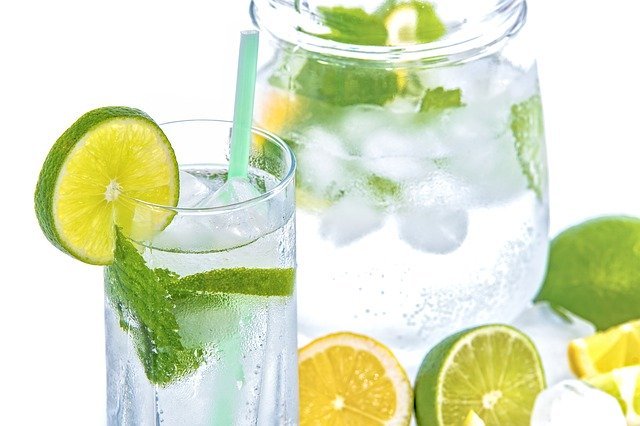
The New Zealand Ministry of Health recommends that the best drink to support your health and keep you hydrated is water. If you find plain water too boring, herbal teas or water flavoured with a slice of lemon, cucumber or berries can help to make water more appealing. Plain unsweetened low-fat milk is also a good choice. While tea and coffee are good choices, you do need to be mindful of how much caffeine you have during the day.
While it can be easy to get fixated on specific nutrients (such as sugar), we don’t just eat single nutrients or foods (or drinks) in isolation. We include a variety of foods and drinks, and therefore nutrients, across the day, week, and even year. If we focus on the bigger picture, such as eating mostly whole and less-processed foods and choosing water as our main drink of choice (with cola or other sugary drinks being included on only the odd occasion) , then the nutrients will tend to take care of themselves, sugar included.